Your Work Speaks for Itself. Is Your Social Media Doing the Same? Supporting Text
From roofing and HVAC to plumbing, electrical, concrete, and beyond, Johnson County home-service businesses have work worth showcasing. Effective social media marketing turns that everyday work into content that builds trust, strengthens visibility, and supports your business goals.
Your Competitors Aren't Necessarily Doing Better Work. They Might Just Be Showing It Better.
A homeowner in Greenwood needs a new roof. They ask a neighbor for recommendations, search Google, and start looking through a few local companies.
One roofing contractor has a Facebook page with a handful of holiday graphics and a post from six months ago.
Another has recent project photos, educational content explaining roofing materials, customer testimonials, and videos showing their crew at work.
Both companies might do excellent work.
But which one is giving that homeowner more information to feel confident about making a call?
That’s the opportunity social media creates for home-service businesses.
It gives potential customers a chance to become familiar with your company before they ever speak to you.
And this applies well beyond roofing.
A homeowner researching HVAC replacement might appreciate a company that explains the differences between equipment options. Someone considering a concrete patio might want to see completed projects and understand what goes into proper site preparation. A homeowner looking for an electrician may feel more comfortable after seeing examples of professionally completed installations.
Your social media shouldn’t simply announce that your company exists.
It should help customers understand why your company deserves consideration.
And when your competitors are consistently communicating their expertise while your business remains quiet, you’re potentially missing opportunities to influence those purchasing decisions.


Stop Asking What to Post. Start Looking at What Your Customers Are Already Asking.
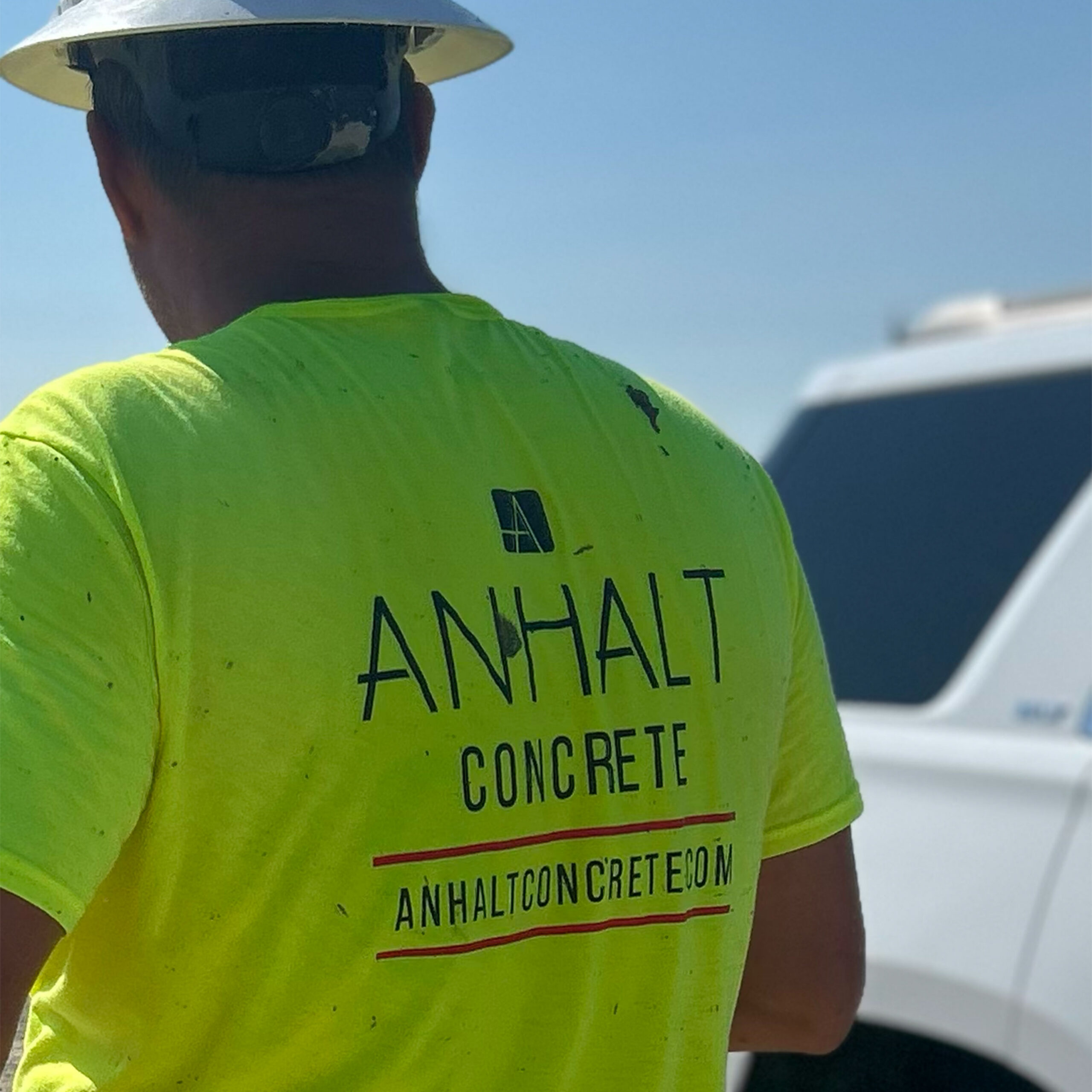
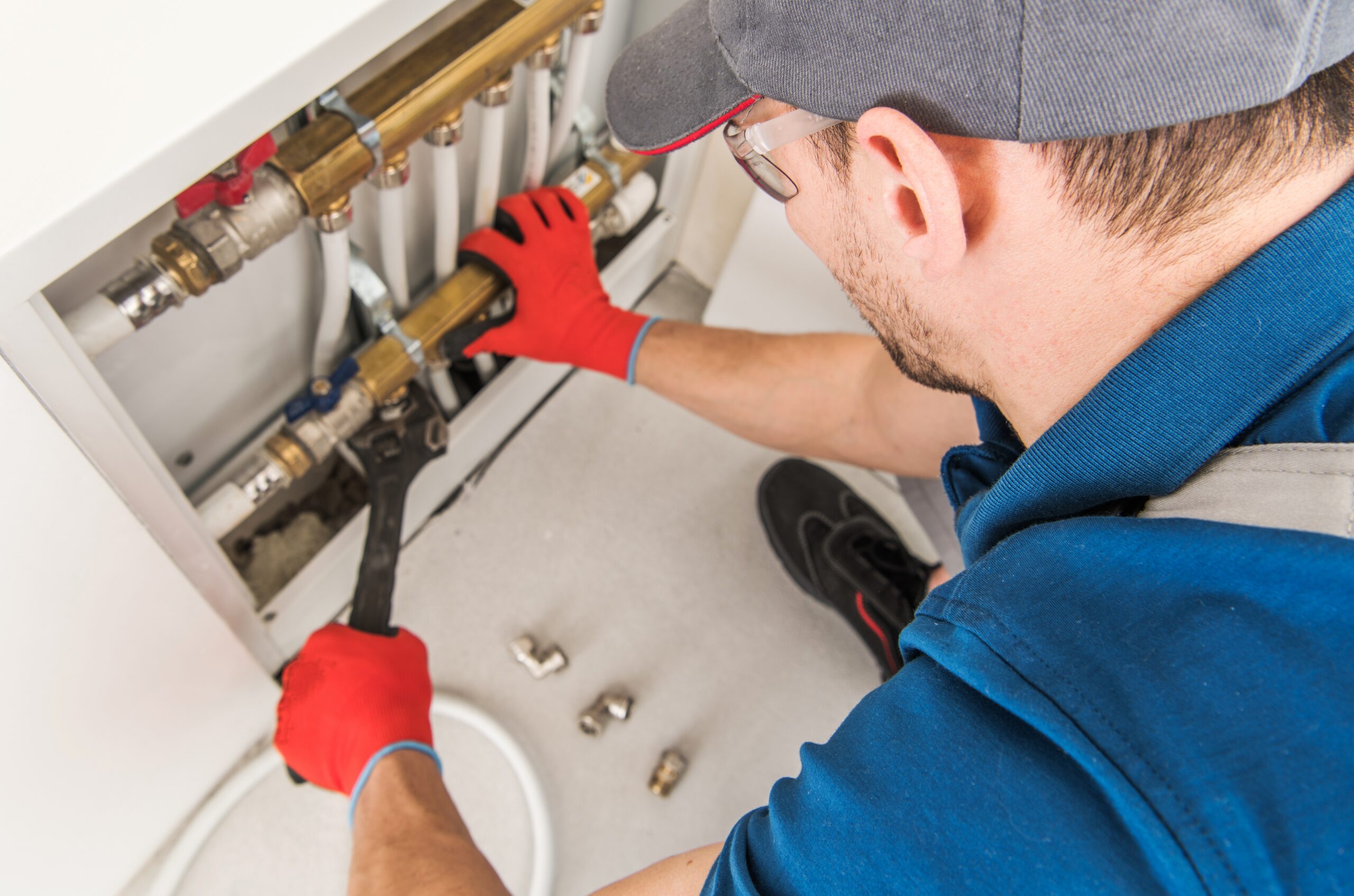
One of the most overlooked sources of social media content is the conversation happening between your employees and customers every day.
Think about the questions your team answers repeatedly.
- An HVAC technician explains why one room stays warmer than another.
- A plumber discusses whether a water heater should be repaired or replaced.
- An electrician explains what homeowners should consider before installing a generator.
- A roofing contractor answers questions about storm damage and insurance inspections.
- A concrete contractor explains why excavation and base preparation matter.
- A landscaper helps a homeowner understand which improvements make sense for their property.
Each of those conversations contains an opportunity to create useful content.
And the best part?
You’re not guessing what your audience wants to know. Your customers are already telling you.
For example, imagine a homeowner asks an electrician why their lights flicker occasionally.
Instead of answering that question once and moving on, the company could create an educational Facebook post explaining several possible causes, when professional evaluation may be appropriate, and why the symptoms shouldn’t be ignored.
A roofing company could apply that same concept to common questions about roof leaks.
An HVAC company could use it to explain unusual furnace noises.
A water treatment company could discuss why dishes develop white spots after washing.
The industries are different, but the strategy is the same.
Answer real questions with useful information that demonstrates your expertise.
This type of content can also support your website’s organic search strategy.
When a customer question deserves a more detailed explanation, it may become a blog post or FAQ on your website.
That creates opportunities for your social media and search engine optimization efforts to support one another.
Related reading: How Local Businesses Can Show Up on Google in Johnson County
One Completed Job Could Be Your Next 5 Social Media Posts.
Home-service businesses are often sitting on valuable content without realizing it.
A completed project isn’t necessarily one social media post.
It could be several.
Let’s say a remodeling company finishes a kitchen renovation in Franklin.
The obvious post is a before-and-after photo.
And while that’s a great starting point, consider what else the project could provide.
1. The Transformation
Show the finished project alongside the original space.
Explain what the homeowner wanted to accomplish and how the finished design addressed those needs.
2. The Process
Share a short video showing demolition, preparation, installation, or finishing work.
People are often interested in what happens between the before and after.
3. The Educational Opportunity
Explain something homeowners should consider before starting a similar renovation.
Maybe it’s the importance of planning electrical outlets before cabinetry is installed.
4. The People Behind the Work
Introduce the crew or highlight a team member responsible for a particular part of the project.
5. The Customer Experience
With permission, share a testimonial or explain how the team helped the homeowner navigate the project.
Now consider how this applies to other industries.
A concrete contractor could document a driveway installation from excavation through final grading.
A roofing company could explain the steps involved in replacing an aging roof.
An HVAC company could turn a system replacement into educational content about equipment selection, installation, and maintenance.
A tree service could show the planning and equipment involved in safely completing a challenging removal.
The goal isn’t to stretch one project into five repetitive advertisements. It’s to identify five different things potential customers might find useful.
This is where a thoughtful content strategy becomes valuable.
Rather than scrambling to find something to post every week, your company develops a system for capturing and communicating the work that’s already happening.

A Pretty Instagram Grid Isn't a Marketing Strategy. Here's What Should Be Happening Behind the Scenes.
This is where many business owners become frustrated with social media management.
They’re paying someone to create graphics, write captions, and publish posts.
But they don’t necessarily understand what those activities are accomplishing.
And sometimes, nobody is having that conversation.
Social media management should involve more than filling empty spaces on a content calendar.
At Plaski Advertising, we believe every marketing activity should have a purpose.
For one home-service business, that might mean increasing awareness of a newly introduced service.
For another, it might mean staying visible to existing customers during a slower season.
A growing contractor might want to generate more estimate requests, while an established company may want to strengthen its reputation in a particular community.
Those are different objectives, and they should influence the content being created.
What Should Your Social Media Management Company Actually Be Doing?
A thoughtful approach should include:
Understanding your business. Your services, customers, geographic priorities, seasonality, and competitive advantages should influence the strategy.
Planning content intentionally. Educational posts, project highlights, testimonials, service reminders, and promotional messaging should work together.
Maintaining brand consistency. Your website, social media, advertising, and other marketing materials should communicate a cohesive identity.
Evaluating performance. Your marketing partner should review relevant metrics and explain what they mean.
Making adjustments. If a particular approach isn’t contributing to your goals, there should be a conversation about what needs to change.
And perhaps most importantly, you should understand what’s happening with your marketing without having to chase someone down for answers.

If You're Paying for Marketing, You Deserve to Know What It's Doing.
Let’s talk about something that doesn’t get discussed enough in the marketing industry.
Business owners deserve transparency.
If you’re investing hundreds or thousands of dollars into marketing every month, you should understand where that money is going, what work is being completed, and whether the strategy is making progress toward your goals.
That doesn’t mean every Facebook post will generate a customer.
It doesn’t mean every advertising campaign will immediately produce a positive return.
And it certainly doesn’t mean marketing results happen overnight.
But it does mean your agency should be willing to have meaningful conversations about performance.
At Plaski Advertising, transparency is an important part of how we work with our clients.
Monthly Meetings That Keep Everyone on the Same Page
We hold monthly meetings with clients to review marketing activity, discuss performance, identify upcoming priorities, and address questions or concerns.
These conversations help ensure that we’re not simply continuing the same activities because they’re already on the calendar.
If a client is preparing to launch a new service, experiencing seasonal changes, or shifting business priorities, their marketing strategy may need to change alongside them.
Live Reporting Dashboards
Our clients have access to live reporting dashboards that provide visibility into relevant marketing performance.
Depending on the services being managed, reporting may include website traffic, advertising performance, conversions, and other measurable activity.
Rather than waiting for someone to send a report, clients can access their information and review performance.
And during our regular meetings, we discuss what those numbers actually mean.
Because a dashboard full of charts isn’t particularly useful if nobody can explain how the information relates to your business.
Strategy That Evolves With Your Business
Marketing shouldn’t operate on autopilot.
If an advertising campaign is consistently attracting the wrong audience, we need to investigate.
If a particular service isn’t generating the expected interest, we need to understand why.
If seasonal demand changes, the marketing priorities may need to change too.
Sometimes that means adjusting the message.
Sometimes it means reallocating resources.
And sometimes it means deciding that an approach isn’t worth continuing.
The goal isn’t to keep selling you more marketing services. It’s to make thoughtful decisions about the services that make sense for your business.
That doesn’t guarantee a particular return on investment, but it creates accountability and gives us the information needed to make better decisions.




Social Media Can Build Trust. But What Happens When You're Ready to Generate Leads?
Organic social media management and paid advertising serve different purposes.
And understanding that difference can help home-service businesses make better decisions about where to invest their marketing budgets.
Organic social media is particularly useful for maintaining visibility, educating customers, showcasing completed work, and building familiarity with your company.
Paid advertising can help businesses reach targeted audiences beyond their existing followers.
For example, a roofing contractor might use organic social media to share completed projects and homeowner education.
But if the company wants to promote roof inspections in a particular service area, a paid advertising campaign may be worth considering.
An HVAC company preparing for the summer cooling season might combine educational Facebook posts with targeted advertising promoting maintenance appointments.
A concrete contractor could use social media to showcase completed patios while using paid advertising to reach homeowners considering outdoor improvements.
What About Geofencing Advertising?
Geofencing is another advertising approach that may be useful in certain situations.
It allows advertisers to define geographic boundaries and, depending on the advertising platform and available targeting capabilities, reach eligible audiences associated with those locations.
For example, a home-service company might evaluate geofencing as part of a broader campaign targeting relevant geographic areas or events.
However, geofencing isn’t automatically the right solution for every contractor.
Audience quality, budget, campaign objectives, privacy requirements, and available measurement capabilities all matter.
It’s one of several tools worth evaluating rather than something every business necessarily needs.
Your Marketing Channels Should Work Together
A customer might first discover your company through Google.
They might then visit your Facebook page to see recent projects.
Later, they may return to your website to request an estimate.
Another customer might discover your company through a paid advertisement before researching reviews and social media activity.
These interactions don’t always happen in a predictable order.
That’s why we encourage businesses to think about their marketing as a connected strategy rather than a collection of unrelated services.
Related services: Explore Plaski Advertising’s Marketing Solutions




Johnson County Isn't One Big Audience. Your Marketing Should Reflect Where You Actually Work.
A contractor based in Franklin might serve customers throughout Johnson County.
But that doesn’t necessarily mean every community should receive identical marketing attention.
Greenwood, Bargersville, Trafalgar, Whiteland, Edinburgh, and Franklin all have different neighborhoods, housing characteristics, development patterns, and local business environments.
The right geographic strategy depends on your services, customer base, travel considerations, and business goals.
For example, a roofing contractor might want to strengthen visibility in neighborhoods where they’ve recently completed several projects.
A landscaping company might prioritize communities where its crews can efficiently serve multiple customers.
A concrete contractor may want to focus on areas where homeowners are investing in patios, driveways, and outdoor improvements.
That doesn’t mean every social media caption needs to include a city name.
It means your content and broader marketing strategy should reflect the communities your business genuinely serves.
Project photography, local customer testimonials, community involvement, and service-area information can all help communicate that connection naturally.
At Plaski Advertising, we work with businesses throughout Johnson County and Central Indiana, and understanding where our clients want to grow is part of developing an appropriate strategy.
Before You Hire Another Marketing Agency, Ask These Five Questions.
If you’re considering professional social media management, don’t make your decision based solely on the number of posts included in a monthly package.
The cheapest option isn’t necessarily the best value.
And the agency promising the most content isn’t necessarily offering the strongest strategy.
Before signing an agreement, ask:
1. How will you learn about my business and industry?
Your agency should understand what makes your company different and how your customers make purchasing decisions.
2. How will you determine what we should post?
There should be a strategy behind the content, not simply a calendar filled with generic graphics.
3. What will I be able to see in my reporting?
Ask which metrics are tracked, how often they’re reviewed, and whether you’ll have access to your information.
4. How often will we discuss performance and priorities?
Communication should be an established part of the relationship, not something that only happens when there’s a problem.
5. What happens if something isn’t working?
A good marketing partner should be willing to evaluate results, explain potential issues, and recommend adjustments.
These questions can help you identify whether an agency is offering a genuine marketing partnership or simply selling a recurring posting service.
Frequently Asked Questions About Social Media Marketing for Johnson County Businesses
Social media marketing can be valuable for home-service businesses because it provides opportunities to demonstrate expertise, showcase completed projects, educate customers, and reinforce credibility. While organic social media doesn’t guarantee immediate leads, it can support customer research and strengthen the company’s broader marketing presence.
Social media management pricing depends on the scope of work, including the number of platforms, posting frequency, content creation requirements, graphics, photography, video, and reporting. Businesses should evaluate what is included in a management agreement and how the services align with their goals rather than comparing prices based solely on the number of posts.
Facebook and Instagram can both be useful for contractors. Facebook may support community visibility, educational content, and customer engagement, while Instagram is well suited for project photography, transformations, and short-form video. The right platform depends on where your customers spend time and the content your business can consistently provide.
Social media activity does not directly guarantee improved Google rankings. However, it can support broader digital marketing efforts by increasing brand awareness, distributing website content, and encouraging customers to learn more about your company. Businesses should also invest in website SEO, accurate business information, and a well-maintained Google Business Profile.
Results vary depending on the business, its starting point, audience, content quality, consistency, and objectives. Some campaigns may generate inquiries relatively quickly, while organic social media often requires sustained effort to build familiarity and engagement. Establishing clear goals and reviewing performance regularly helps determine whether the strategy is progressing.
Organic social media management focuses on creating and publishing content through a company’s social media accounts without paying to distribute each post. Paid social media advertising involves allocating an advertising budget to reach selected audiences through sponsored placements. The two approaches can complement one another but should be evaluated according to their different objectives.
A marketing agency should communicate clearly, explain its strategy, provide relevant performance information, and review progress toward your business goals. Look beyond vanity metrics such as likes and followers. Ask about website traffic, qualified inquiries, conversions, and other measurements appropriate to the services being managed. An effective agency should also be willing to discuss challenges and adjust its approach when necessary.
Yes. Plaski Advertising works with businesses throughout Johnson County and the surrounding Central Indiana communities. Our services include social media management, website development, search engine optimization, AI search optimization, paid advertising, and broader digital marketing strategy.
Your Business Is Already Doing the Hard Work. Let's Make Sure People Know About It.
Your team is doing great work every day, but is your marketing making sure the right people see it?
At Plaski Advertising, we help Johnson County businesses turn their expertise into meaningful visibility through social media management, website development, SEO, AI search optimization, and paid advertising.
Our approach is built on transparency, collaboration, and measurable progress. With monthly strategy meetings, live reporting dashboards, and ongoing performance evaluations, you’ll always understand where your marketing stands and where we’re headed next.
Because you deserve more than an agency that simply checks boxes. You deserve a marketing partner who’s invested in your success.
Ready to make your marketing work harder for your business? Let’s talk strategy.